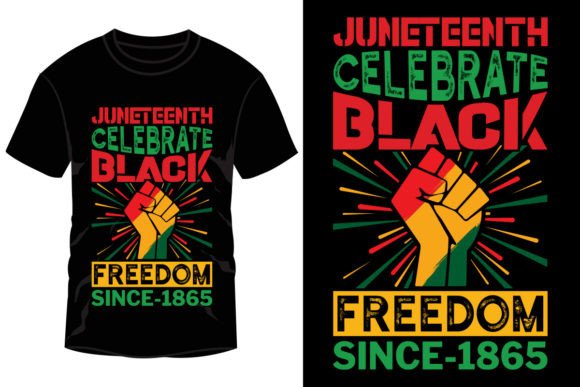
Juneteenth Celebrate Black Freedom Since
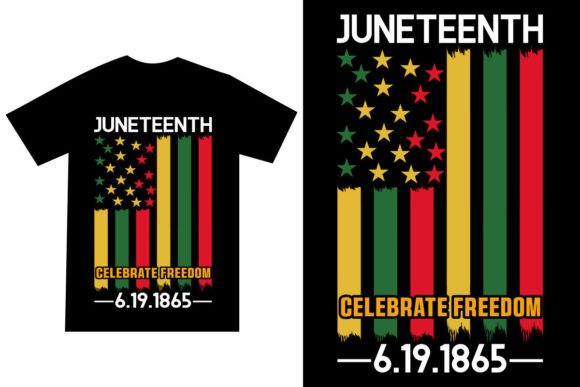
As a designer who’s stitched hundreds of commemorative pieces—from boutique aprons to nursery pillows—I opened Juneteenth Celebrate Black Freedom Since expecting warmth and weight. What I found was a clean, centered graphic with quiet confidence: bold lettering, balanced negative space, and an understated yet unmistakable reverence for the date. It doesn’t shout—it affirms. That matters deeply when you’re translating intention into thread.
A tote bag that carries more than groceries
Last week, I prepped a small batch of organic cotton tote bags for a local community bookstore’s Juneteenth pop-up. I chose Juneteenth Celebrate Black Freedom Since for the front panel—not as a logo, but as a statement piece. At 4.5 inches wide, it scaled beautifully across the fabric’s natural drape. The layout is generous: no cramped corners, no overlapping elements. That gave me breathing room for satin-stitched outlines and smooth fill-stitch transitions—critical when stitching on unlined, medium-weight canvas. Customers paused. Some smiled softly. Others asked where the phrase came from. That’s the sign of a design that lands—not just seen, but felt.
Where this embroidery file shines—and where it asks for care
Juneteenth Celebrate Black Freedom Since is built for clarity, not complexity. That makes it unusually versatile across machine embroidery design applications—but also means its strength lies in context, not ornamentation.
- Sweatshirt embroidery? Yes—especially on midweight fleece or French terry. The letterforms hold up well under dense fill stitch without bleeding or shadowing.
- Baby embroidery? Ideal for onesies and swaddle blankets—if sized down thoughtfully (I recommend no smaller than 3 inches wide). The clean lines avoid tiny serifs or fragile connectors that snag during washing.
- Embroidered patch? A natural fit. Its even weight distribution and open spacing prevent puckering at the edges—a common headache with text-heavy patches.
- Tote bag design or tea towel? Excellent. The horizontal rhythm reads clearly at arm’s length, and the phrase’s inherent dignity elevates everyday handmade products.
But here’s where attention matters: Juneteenth Celebrate Black Freedom Since isn’t optimized for extreme scale shifts. On caps or curved surfaces, test stitch first—the slight arc of a crown can subtly distort letter spacing. And while it works on dark fabric, avoid ultra-low-contrast thread pairings (e.g., charcoal gray on black twill) without a stabilizer layer underneath. The design’s integrity relies on legibility, not texture play.
What real stitching reveals about value and trust
When you’re selling custom apparel or holiday embroidery as a craft business, your design choices quietly signal your standards. Juneteenth Celebrate Black Freedom Since reads as intentional—not rushed, not trend-chasing. That builds trust. A customer buying a personalized gift or small shop product doesn’t just want ink or thread; they want resonance. This design delivers that without over-explaining.
I’ve seen too many well-meaning digital embroidery file downloads fail because they prioritize decoration over durability—tiny flourishes that vanish after three washes, or dense stitch clusters that stiffen baby onesies. Juneteenth Celebrate Black Freedom Since avoids both traps. Its moderate stitch density allows fabric to breathe, and its consistent line weight ensures crispness across thread colors and fabric textures.
Practical notes every embroidery designer should check before stitching
Before committing to a full run—whether for Etsy listings, craft fair inventory, or client work—here’s what I always verify with Juneteenth Celebrate Black Freedom Since:
- Test on scrap fabric first, especially if using textured weaves like linen or looped terry. Fill stitches behave differently there.
- Check thread color contrast against your base fabric—not just on screen. A warm cream thread may disappear on oatmeal fleece.
- Review stitch density in your embroidery software. If it feels heavy for lightweight knits, reduce underlay or adjust pull compensation.
- Confirm hoop size compatibility. While the design fits standard 4x4 hoops comfortably, double-check if you're planning multi-position placement (e.g., sleeve + chest).
- Inspect small details—particularly the “1865” numerals. Are terminals clean? Do curves hold shape at reduced sizes?
- Test in black-and-white mockups to assess tonal balance. Does it retain presence on light and dark backgrounds alike?
- Use proper stabilizer: tear-away for stable wovens, cut-away for knits or stretchy fabrics. This design’s clarity depends on foundation support.
- Verify licensing before selling finished products or bundling the file in digital product previews. The listing says it’s usable across sweaters, mugs, pillows, and more—but confirm commercial rights directly with the source.
Why this fits so naturally in T-Shirt Designs—and beyond
Yes, it’s categorized as a T-Shirt Design, and it works beautifully there—centered on a crewneck, left-chest on a relaxed tee. But its real strength is adaptability. As a Graphics file, it transcends garment type. I’ve used it on kitchen towels (heat-resistant thread), pillow covers (with gentle satin borders), and even iron-on patches for school spirit events—all with consistent results.
For Etsy sellers and small shop owners, that flexibility is gold. One design asset, multiple high-intent use cases: Juneteenth gifts, community center merch, educator appreciation bundles, family reunion keepsakes. It doesn’t compete with your voice—it supports it.
Final thought: Design as quiet stewardship
Not every embroidery file earns the honor of carrying history in thread. Juneteenth Celebrate Black Freedom Since does—not through spectacle, but through sincerity. It respects the wearer, the maker, and the moment. When you choose it for a custom apparel project or hand-stitch it onto a baby’s first summer cap, you’re not just adding decoration. You’re anchoring meaning in something tactile, lasting, and human-made.