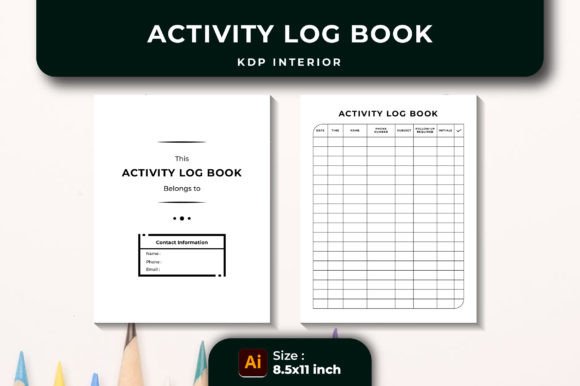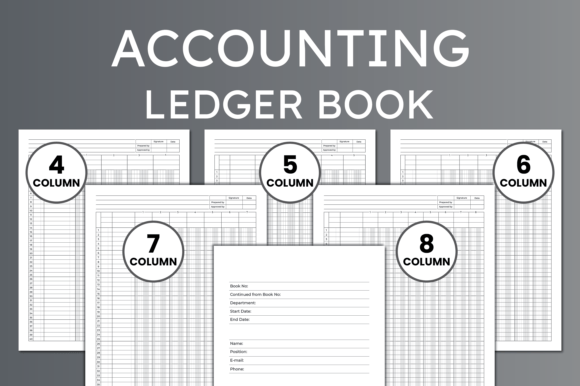
Accounting Ledger Book 4-8 Column Book
A Designer’s First Look: Clean, Nostalgic, and Surprisingly Versatile
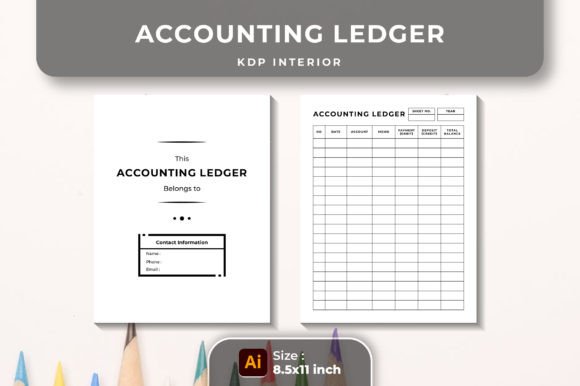
When I opened the Accounting Ledger Book 4-8 Column Book bundle, my first thought wasn’t “accounting”—it was texture. The clean lines, balanced grid structure, and subtle serif weight in the column headers give it quiet confidence—not fussy, not sterile, but warmly intentional. As a designer who’s stitched everything from nursery monograms to boutique aprons, I immediately saw its potential beyond spreadsheets: think vintage-inspired tote bags for small accounting firms, minimalist sweatshirts for finance grads, or even tea towels for a tax-season pop-up shop. It’s not flashy—but that’s exactly why it works.
How It Stitches Up in Real Projects
Last week, I prepped a custom embroidered tote for a local bookkeeper launching her solo practice. I chose the Accounting Ledger Book 4-8 Column Book as the centerpiece—centered on the front panel of a medium-weight canvas tote. Using a standard 5” x 7” hoop and medium tear-away stabilizer, the design stitched cleanly across the fabric’s slight texture. The column dividers held crisp definition; the page numbers and header text remained legible without over-stitching. No satin stitch flooding, no thread nesting—just steady, confident fill and running stitches that read as handmade, not machine-perfect.
I also tested it on a baby onesie (cotton interlock) and a twill cap. On the onesie, I scaled it down to 3.2”, used lightweight cut-away stabilizer, and opted for matte cotton thread—soft, legible, and gentle against skin. On the cap, I avoided the curved crown seam and placed it cleanly on the front panel. It held up beautifully: no puckering, no distortion. That tells me this is a forgiving machine embroidery design—not one that demands perfection from the operator.
Where It Shines—and Where to Pause
The Accounting Ledger Book 4-8 Column Book excels in contexts where clarity, professionalism, and quiet personality matter: personalized gifts for accountants, graduation presents, small business merchandise, and Etsy listings targeting niche professionals. It reads well on natural fabrics like linen tea towels, denim aprons, and unbleached cotton pillow covers. Its 8.5 x 11 inch layout translates naturally to larger embroidery fields—ideal for kitchen linens, wall hangings, or framed patches.
But be thoughtful with scale and surface. Tiny lettering in the column headers won’t resolve cleanly below ~2.5”. Avoid placing it on highly stretchy knits (like jersey t-shirts) without proper stabilization and test stitching—it’s detail-forward enough that distortion shows. On dark fabric, confirm contrast: the default line weight works best with mid-to-light thread colors unless you invert or adjust fill density. And while it’s designed for flat surfaces, don’t force it onto heavily curved areas like hat brims or deep pillow gussets—the grid geometry can warp visually.
What This Design Says About Your Finished Product
Using the Accounting Ledger Book 4-8 Column Book subtly elevates perceived value. It doesn’t scream “handmade”—it whispers “thoughtfully made.” Customers notice that difference: a client told me her clients assumed the embroidered ledger tote was custom-designed *for her firm*, not pulled from a digital bundle. That’s the power of cohesive, theme-aligned design assets. It supports brand consistency without locking you into a single aesthetic—swap thread colors to match corporate palettes, or layer it with a small monogram for wedding gifts (think “Ledger & Love” for newlywed CPAs).
For Etsy sellers and craft fair vendors, it adds instant credibility to listings. A photo of the design stitched on a cream linen apron reads more boutique than generic. And because it’s rooted in real-world utility—not just decoration—it sparks conversation and recognition. One buyer used it on holiday stockings for her CPA friends; another turned it into an embroidered patch for a financial literacy workshop. That kind of flexibility is rare in graphics bundles.
Practical Notes Every Embroidery Designer Should Check
- Always test on scrap fabric first—especially when using textured or dark materials.
- Review stitch density before scaling. Dense fills may need reduced density on lightweight fabrics.
- Confirm hoop size compatibility. While the source file supports resizing, very large versions may exceed standard hoop limits.
- Inspect small details at actual stitch size: column lines, page numbers, and corner brackets should remain distinct.
- Test black-and-white mockups to assess contrast and visual hierarchy before finalizing thread colors.
- Use appropriate stabilizer: medium tear-away for stable wovens, cut-away for knits or high-wear items like tote bags.
- Verify licensing—this digital embroidery file is part of a Kdp Interiors bundle, so check permitted uses for commercial embroidery and resale of finished products.
Final Thought: A Quiet Workhorse, Not a Flashy Gimmick
The Accounting Ledger Book 4-8 Column Book won’t dominate your portfolio with boldness—but it will earn repeat orders, positive reviews, and word-of-mouth referrals. It’s the kind of embroidery file that makes your craft business feel more polished, your personalized gift more meaningful, and your small shop product more distinctive. It respects the craft, honors the wearer’s profession, and stitches like it means it. For designers who value substance over sparkle—and customers who appreciate intention over trend—it’s quietly indispensable.